
How to Run a Community Vaccine Clinic in Direct Primary Care Without Billing Insurance
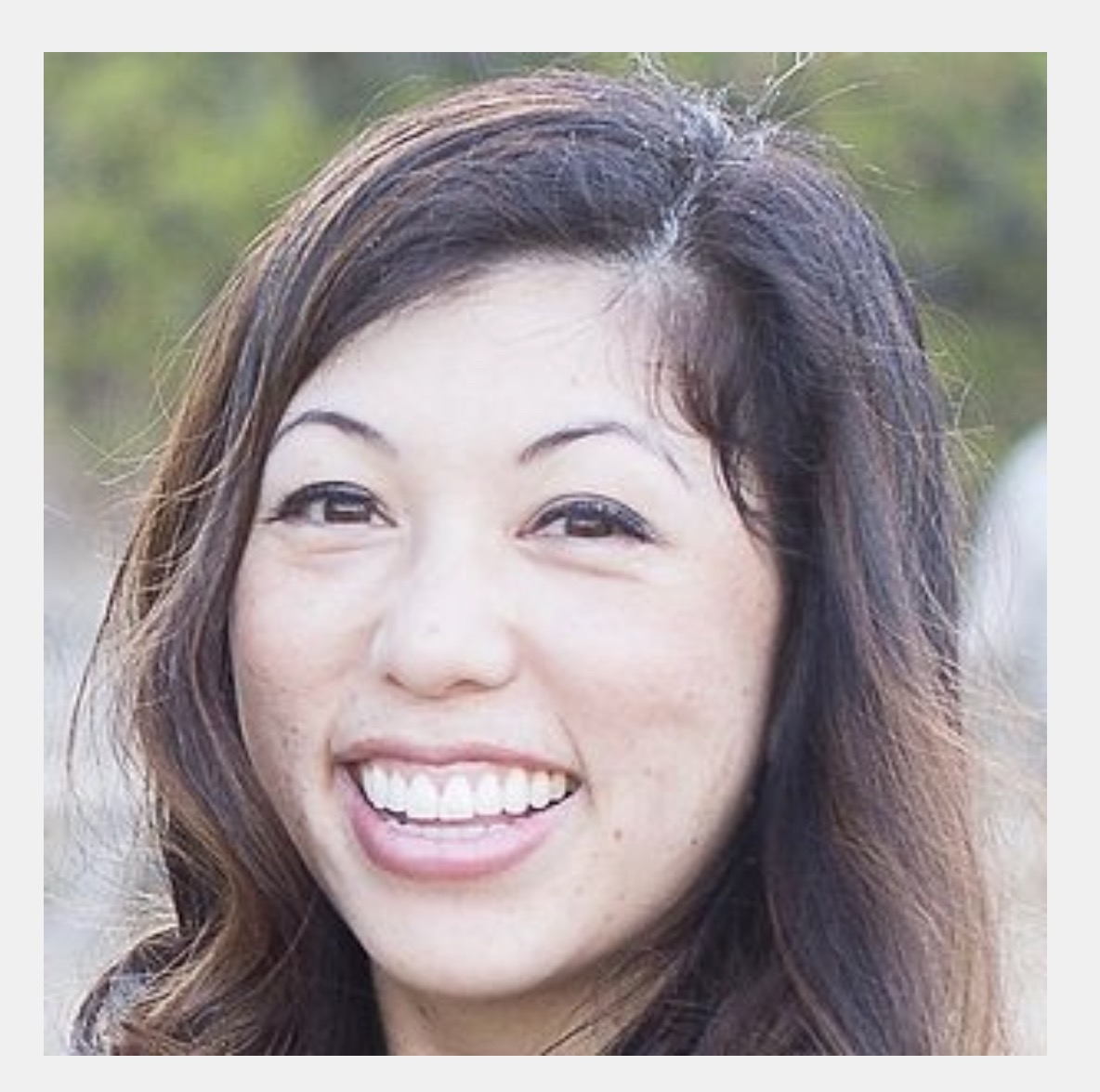
By Maryal Concepcion, MD, FAAFP | Draft November 1, 2026 | 7 min read

At Big Trees MD, our Direct Primary Care (DPC) practice in Arnold, California, we gave 84 vaccines in one day, on a weekend, in a rural county where the Rite Aids are gone.
Kids who were not our members got vaccinated. Neighbors got straight answers about Medicare in the middle of open enrollment.
And our clinic did not bill a single insurance company to do it.
The key is a partnership with Urvish Italia, PharmD, an independent pharmacist who used to fill my vaccine orders at a chain pharmacy. In this episode of My DPC Story, he walks through how the model works, how much notice a pharmacy needs, and what he wishes every physician would do first.
“That communication is gonna be the key.” Urvish Italia, independent pharmacist
What Is Direct Primary Care?
Direct Primary Care is a membership model for primary care. Patients pay their physician a flat monthly fee for access, longer visits and direct communication, and the practice does not bill insurance for that care. Patients still keep insurance for specialists, imaging, hospital stays and emergencies. Learn more in What Is Direct Primary Care?.
Why a Direct Primary Care Practice That Does Not Bill Insurance Runs a Vaccine Clinic
People ask me this every time I post about our vaccine clinic. The answer is access. Access is the reason we practice Direct Primary Care in rural California, and it is the number one reason people join our practice.
Here is what access looks like in Calaveras County. Rite Aid left our county and the county next door. The closest chain pharmacy is 30 minutes from our clinic. Many physician offices stopped stocking vaccines once pharmacies started giving them. California pharmacists can independently vaccinate people 3 and older, so the youngest kids often need a physician's office. As of this recording, our county public health department in Valley Springs, about 45 minutes away, had not held a vaccine clinic this season.
Big Trees MD is certified in the Vaccines for Children (VFC) program, so children with no insurance or not enough insurance can be vaccinated with us. We also offer weekend hours for people who work 8 to 5, and we give vaccines in patients' homes.
How the Vaccine Gets From the Pharmacy to Your Patient
Urvish Italia worked at CVS and Rite Aid before moving to an independent pharmacy. At the chain, I picked up vaccines for my patients from him. At an independent pharmacy, he had the freedom to build a clinic with us.
The model is simple. The physician prescribes. The pharmacy dispenses the vaccine and bills it through the patient's pharmacy coverage, without an administration fee. The physician gives the vaccine at the clinic or in the patient's home. The patient skips the pharmacy line, and the physician who knows them best gives the shot.
What Happens on Community Vaccine Clinic Day
At a chain pharmacy, a vaccine is often in and out. At our clinic, Urvish has time to look up each person's vaccine history, recommend what they are due for, and ask how their medications are going. People bring four or five vaccine cards. His software pulls the record in seconds.
Because he brings extra doses, we add vaccines on the spot. One patient left with a plan for a larger, discounted supply of a generic medication, so she no longer pays a monthly copay or waits in line every month. People who are not even our members can get medications close to wholesale prices through his independent pharmacy.
How Much Notice a Pharmacy Needs, and Who Bills What
Most vaccines arrive the next day. A few take two to three days. Urvish says a week of notice is plenty. We share our sign-up list so he can watch demand and order to match it, plus extras for walk-ups.
On billing, he sorts patients by coverage. Medi-Cal (Medicaid in other states), Medicare Part B and commercial plans each cover different vaccines. Depending on your community, the pharmacy can bill before the clinic or after it.
Small orders are the hard part. Many vaccines for young children come in 10 dose packs, and a pack that sits unused gets expensive. If you can show the pharmacy demand from 10 to 15 patients, ordering becomes realistic.
Medicare Open Enrollment Questions at the Vaccine Table
Urvish is also licensed to help people with life and health insurance, including Covered California and Medicare. He got the license after seeing patients who could not afford a medication or who were told the wrong thing when they signed up for a plan.
One mistake he sees often: people skip a Medicare drug plan because they take no medications. If you go 63 days or more in a row without Part D or other creditable drug coverage after your initial enrollment period, Medicare can add a late enrollment penalty to your Part D premium, generally for as long as you have Medicare drug coverage.
Our practice does not bill Medicare. But our patients still have insurance policies, and they bring their questions to us. I am not an insurance broker. I can point patients to trusted resources and to a licensed agent. Patients tell me they feel less worried about being taken advantage of because they can ask simple questions to people they know.
Two other Direct Primary Care practices handle this conversation the same way. Dr. Feneisha Franklin's team at Living Well Family Medicine in Lexington, South Carolina explains that the membership is paid separately and is not billed to Medicare, then sends plan questions to a qualified Medicare counselor. Dr. Emilie Scott and Dr. James Gaor of Halcyon Health Direct Primary Care in Irvine, California tell patients to keep their Medicare and choose a plan around everything outside primary care. Neither practice sells a plan. They help patients see how their care and their coverage fit together.
Why Community Vaccine Clinics Matter More in 2027
Starting January 1, 2027, some Medi-Cal members ages 19 to 64 must show 80 hours a month of work, volunteering, school or a work program to keep coverage, and many will renew every six months instead of once a year (DHCS: Medi-Cal changes). Every missed letter is a possible gap in coverage. A community vaccine clinic that does not depend on which card someone carries that month is one of the steadiest doors a practice can keep open.
7 Steps to Run Your First Community Vaccine Clinic
Walk into a pharmacy and meet the pharmacist in charge, not the phone line. Explain what you want to do for your community.
Agree on the model: you prescribe, the pharmacy dispenses and bills the vaccine without an administration fee, and you give it at your clinic or in the home.
Share your sign-up list so the pharmacy can watch demand. A week of notice is plenty. Ask about extras for walk-ups.
Know your community's coverage: Medi-Cal or Medicaid, Medicare Part B, commercial plans, and VFC for kids if you can get certified.
Run the numbers before you pick a date. A clinic is a business decision, even when it is a community service.
Keep the line open. A text between you and your pharmacist fixes more than any phone tree.
Book real appointment slots, no more than two people per half hour for each vaccinator. If you only give a start time, everyone arrives at once.
Starting your own practice? Read How to Start a DPC Practice and Grow a Multi-Doctor Clinic.
Run the Numbers With The Toolkit
The Medicare edition of The Toolkit, our magazine about Direct Primary Care, includes a Lean Startup Business Plan with a filled-in example and a blank Your Turn page. Use it to map your problem (who in your town cannot get vaccinated right now), your customer segments, your channels, your costs and your revenue. It also covers the $150 HSA rule, the December 1 deadline to opt out of Medicare by January 1, and what to tell patients with TRICARE, IHS or Medicaid. Read it free at toolkit.mydpcstory.com.
More Direct Primary Care Stories on Access, Pharmacy and Rural Care
A Blueprint for Affordable and Direct Patient Care: Blueberry Pharmacy
Growing a Rural DPC Practice in Year 8 with Dr. Jillian Klaucke
Strengthening Access: Dr. Stephanie Lucero in Rural New Mexico
How One DPC Practice Built a Financially Sustainable Model Without Insurance
AAFP Resolution 504: What a Partial Medicare Opt-Out Could Mean for DPC
Frequently Asked Questions
What is Direct Primary Care (DPC)?
Direct Primary Care (DPC) is a membership model where patients pay their primary care physician a flat recurring fee for access and care, and the practice does not bill insurance for those services. Patients usually keep insurance for care outside primary care.
Can a Direct Primary Care practice run a vaccine clinic without billing insurance?
Yes. One common model is a partnership with a pharmacy. The physician prescribes, the pharmacy dispenses and bills the vaccine through the patient's pharmacy coverage without an administration fee, and the physician gives the vaccine at the clinic or in the home.
How much notice does a pharmacy need for a community vaccine clinic?
Most vaccines ship next day and a few take two to three days, so about one week of notice is usually enough. Sharing your sign-up list helps the pharmacy order the right amount, plus extras for walk-ups.
Can pharmacists in California give vaccines to young children?
California pharmacists can independently start and give routine recommended vaccines to people 3 years and older. Children under 3 generally need a physician's office or a pharmacist working under a physician's protocol.
What is the Medicare Part D late enrollment penalty?
It is an extra amount Medicare can add to your Part D premium if you go 63 days or more in a row without Part D or other creditable drug coverage after your initial enrollment period. You generally pay it for as long as you have Medicare drug coverage.
Do I still need Medicare if I join a Direct Primary Care practice?
Yes. A Direct Primary Care membership covers primary care. Medicare still matters for specialists, imaging, hospital stays and emergency care.
Tell Me About Your Clinic
Have a question about running your own vaccine clinic, or a win from your DPC journey? Leave me a voice message. You might hear it answered on a future episode.

Comments