
From Corporate Medicine to Integrative Direct Primary Care: How Dr. April Soto Built a Practice Rooted in Boundaries, Healing, and Authenticity
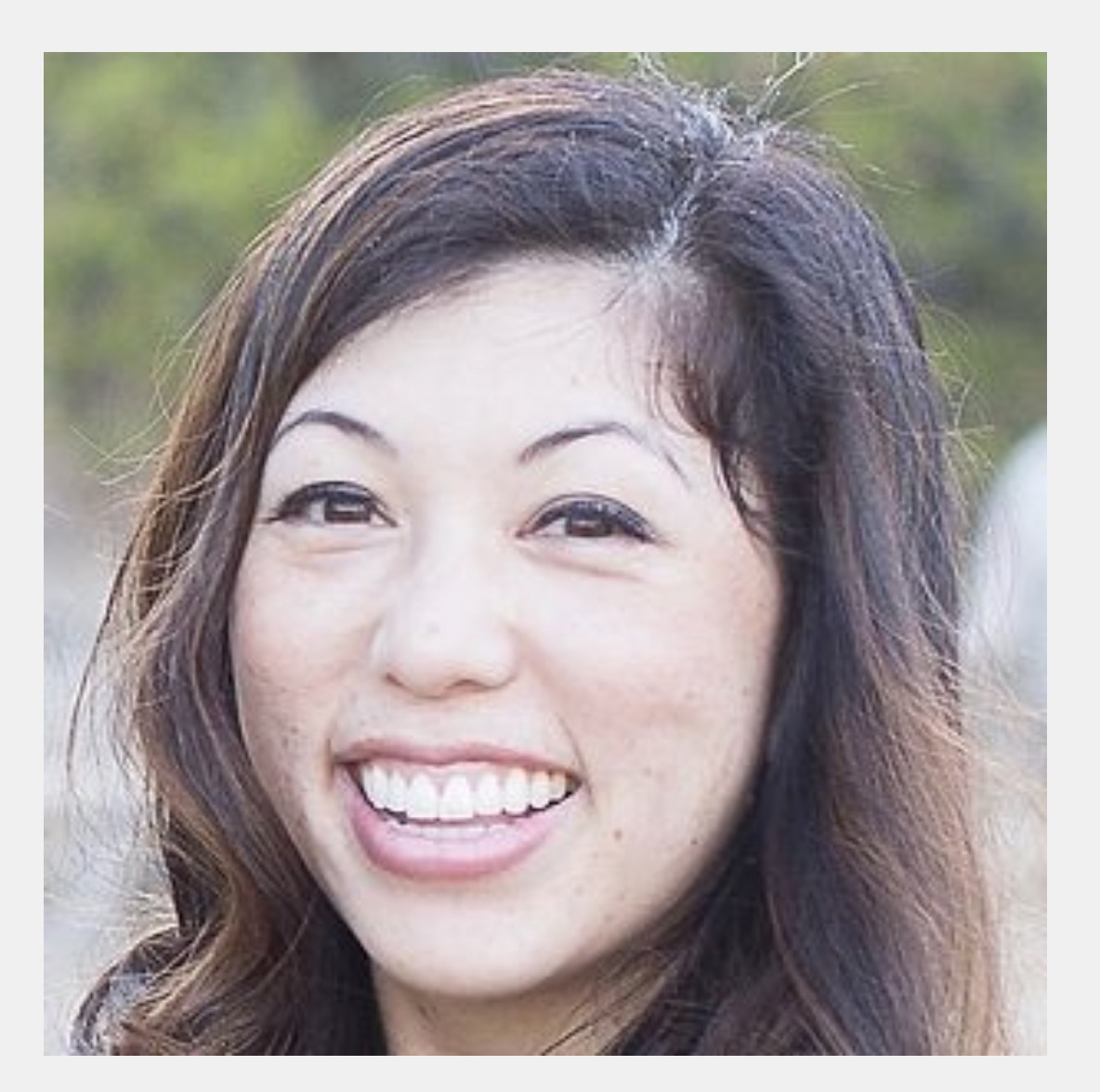
Updated: Sep 5

What happens when a physician stops asking "how do I keep up?" and starts asking "what can my body actually sustain?"
For Dr. April Soto of Love and Light Integrative Medicine in South Pasadena, California, that question changed everything. On this episode of the My DPC Story podcast, Dr. Soto shares how she systematically left corporate medicine over three years and built an integrative Direct Primary Care practice that honors her patients, her community, and her own health.
Her story speaks to any physician who has ever wondered whether there is a version of medicine that does not require sacrificing yourself to practice it.
Why Dr. Soto Left Corporate Medicine
Dr. Soto spent more than a decade in fee-for-service medicine, first in family medicine and then in infectious disease and HIV care. She was, by every metric, wildly productive. She taught residents integrative medicine and HIV medicine, opened a procedures clinic, and ran resident wellness programs on her own unpaid time. Word on the street said she was the most requested family physician in her region.
And it was never enough.
Living with chronic illness, Dr. Soto watched her body pay the price for a system where approval was always tied to productivity. Her wake-up call came partly from listening to the My DPC Story podcast on her commute, where another physician described doing unpaid resident wellness work and reaching the same conclusion: service is beautiful, but service with sacrifice is not sustainable.
So she made a plan.
A Three-Year Exit Strategy Into Direct Primary Care
Unlike physicians who open a DPC in a weekend, Dr. Soto describes herself as a turtle: slow is fast, and fast is slow. Her transition into Direct Primary Care took three intentional years and included:
Completing an integrative medicine fellowship through the Academy of Integrative Health and Medicine
Training in ketamine-assisted therapy and doing her own therapeutic work first
Attending the DPC Nuts and Bolts conference
Renting rooms from an established DPC pediatrician, Dr. Yuli, before taking over the full suite
Giving six months notice and leaving corporate medicine without burning bridges
That last point matters. Former colleagues now refer patients to her, and a residency program she once served has invited her back for paid physician wellness sessions. In Direct Primary Care, relationships are the referral network.
Facing the Fear of Money Before Opening a DPC
One of the most honest parts of this conversation is Dr. Soto's relationship with financial fear. Having experienced housing instability as a child, the leap from a guaranteed paycheck to a membership-based practice touched her deepest fears.
Her approach was not to suppress the fear but to sit with it. Through years of therapy, Internal Family Systems work, and honest examination of her beliefs about money, she reframed fear as information rather than a governor. Her practical takeaways for physicians planning a DPC launch:
Get a bookkeeper early and learn to pay yourself
Expect that the people you think will follow you may not, and the patients you least expect will
Understand that the security of employed medicine is often an illusion
Pricing a Quality-Based DPC Practice
Dr. Soto opened with a membership rate her community warned was too high. She held firm, and her framing is one every DPC physician should hear: she runs a quality business, not a discount business. As she puts it, the Ritz Carlton does not run two-for-one specials.
She also learned the hard way that overgiving creates unsustainable expectations. After giving away too many discounts and free visits in year one, she now builds intentional pricing tiers for memberships, ketamine-assisted therapy, and complex care, priced to reflect the full arc of the work: the evaluation before, the hours-long visit itself, and the follow-up after.
Her rule now: exceptions become expectations. Boundaries are what make generosity sustainable.
Becoming a Referral Destination for Mast Cell Activation Syndrome
Dr. Soto never planned to become an MCAS physician. Then a colleague referred a single patient with mast cell activation syndrome, and everything changed. Today she receives referrals from a leading MCAS specialist in New York City and cares for a growing population of complex, often neurodivergent patients whose stories include years of being dismissed and unheard.
Her new patient visits for MCAS can run four hours. That kind of listening is simply not possible in a fifteen-minute fee-for-service visit, and it is one of the clearest illustrations of what the Direct Primary Care model makes possible: the physician-patient relationship as the actual product.
Inclusive Care That Includes the Physician
Dr. Soto's practice serves LGBTQIA+ patients, transgender patients from early childhood through their eighties, immigrant families navigating fear of ICE enforcement, and patients of color in a community with a complicated history. Her take on inclusivity is refreshingly complete: it has to include the physician too.
It is not wrong for a patient to have a need. It is also not wrong that one physician cannot meet every need. Knowing your capacity, she argues, is not exclusion. It is what makes showing up fully for the right patients possible.
Listen to the Full Episode
This conversation covers far more than can fit in a blog post: hiring and training her assistant Natalie, using phone trees and texting to protect boundaries, managing patient expectations around ketamine journeys, and her five-year vision that includes wellness contracts and motivational speaking.
Listen to Dr. April Soto's episode of the My DPC Story podcast wherever you get your podcasts, or at mydpcstory.com.
Ready to start or grow your own Direct Primary Care practice? Visit mydpcstory.com for the free 90-Day Startup Checklist, the Physician Owner's Planner, and a full library of tools built for the DPC physician at every stage. And leave a voicemail at mydpcstory.com/contact. Your story might be featured on a future episode.
Frequently Asked Questions
How do I plan an exit from corporate medicine into Direct Primary Care?
Dr. April Soto took three intentional years to exit corporate medicine, describing herself as a turtle because slow is fast and fast is slow. Her transition included completing an integrative medicine fellowship, training in ketamine-assisted therapy, attending a DPC conference, renting rooms from an established Direct Primary Care pediatrician before taking over the full suite, and giving six months notice so she left without burning bridges.
How do I deal with financial fear before opening a Direct Primary Care practice?
Dr. April Soto addressed her financial fear about leaving a guaranteed paycheck by sitting with the fear rather than suppressing it, using years of therapy and Internal Family Systems work to reframe fear as information rather than a governor on her decisions. Her practical advice is to get a bookkeeper early, learn to pay yourself, and expect that the patients you think will follow you may not, while the ones you least expect will.
How should I price a Direct Primary Care membership?
Dr. April Soto held firm on a membership rate her community initially warned was too high, framing her practice as a quality business rather than a discount business, and comparing it to the fact that the Ritz Carlton does not run two-for-one specials. After giving away too many discounts and free visits in her first year, she now builds intentional pricing tiers for memberships, ketamine-assisted therapy, and complex care, and follows the rule that exceptions become expectations.
How did a Direct Primary Care physician become a referral destination for mast cell activation syndrome?
Dr. April Soto never planned to specialize in mast cell activation syndrome, but after a colleague referred a single MCAS patient, she began receiving referrals from a leading MCAS specialist in New York City and now cares for a growing population of complex, often neurodivergent patients. Her new-patient visits for MCAS can run four hours, a depth of listening she says is simply not possible in a fifteen-minute fee-for-service visit.
Why did Dr. April Soto leave fee-for-service medicine?
Dr. April Soto left fee-for-service medicine after more than a decade in family medicine and infectious disease and HIV care, where she was highly productive, teaching residents and running unpaid resident wellness programs, but living with chronic illness while watching her body pay the price for a system where approval was tied to productivity. A wake-up call came from hearing another physician describe the same unsustainable pattern while she was listening to a podcast on her commute, which led her to build an integrative Direct Primary Care practice instead.
More From My DPC Story
Caring Directly: caringdirectly.com
Find a DPC practice at The DPC Directory: thedpcdirectory.com
DPC mood in a cup, Chief Complaint Coffee: chiefcomplaintcoffee.com
Free DPC startup checklist, the Physician Owner's Planner and the DPC Toolkit Magazine: mydpcstory.com
Have a question, a challenge, or a win to share? Leave me a voicemail at mydpcstory.com/contact and you might hear it featured in a future episode.


Comments