
From Layoff to House Calls: How Dr. Tonya McDonald Built a Pediatric Direct Primary Care Practice in Dallas

By Maryal Concepcion, MD, FAAFP | Draft October 24, 2026 | 7 min read
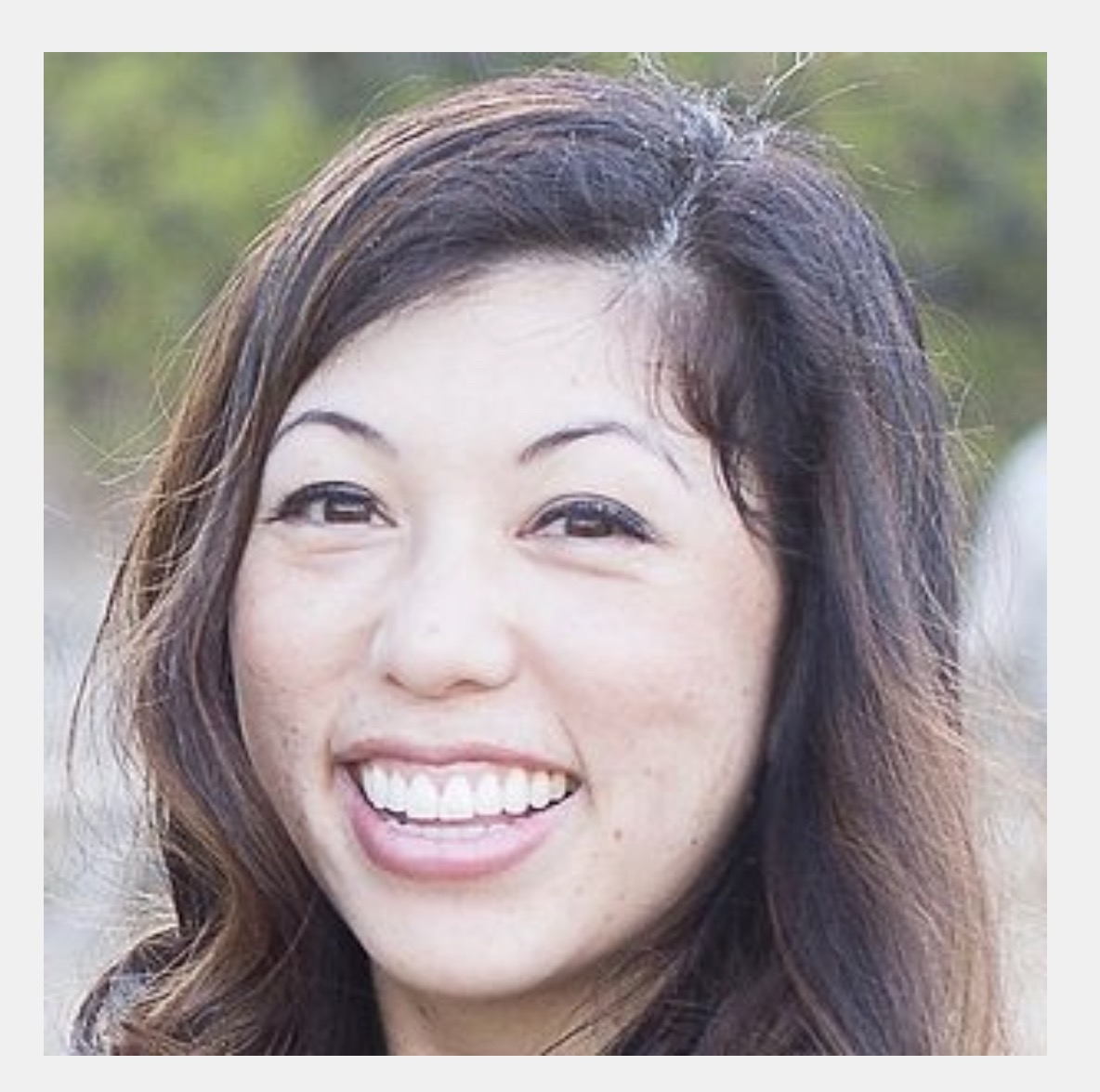
Dallas pediatrician Dr. Tonya McDonald of Radiance Pediatrics
Dr. Tonya McDonald, "Dr. T" to her families, runs Radiance Pediatrics, a house-call Direct Primary Care (DPC) practice for kids in Dallas, Texas. She opened in April 2019, has cared for more than 400 children since, and keeps about 150 active patients today.
She is a Harvard-trained pediatrician with over 20 years of outpatient experience, including nine years caring for military families in Germany. On this episode of My DPC Story, she shares how a layoff became the best thing that happened to her career, why she sees kids in their own homes, and how she leans on fellow Dallas DPC physicians and Texas's CPAN network to care for the whole child.
What is Direct Primary Care? Direct Primary Care (DPC) is a membership model where patients pay their doctor a flat monthly fee for primary care, instead of the practice billing insurance. That buys longer visits, direct access by text or phone, and smaller patient panels. New to the model? Start with What Is Direct Primary Care?.
"Three, 13, 33, they're not that different when they're in pain," says Dr. Tonya McDonald.
Listen to the full episode: [embed player here]
Why Kids Deserve to Be Seen and Heard
Dr. McDonald decided at age six or seven that she would be a "kid doctor." The reason was her own pediatrician in Beaumont, Texas: Dr. Bobby Colbert, the first Black pediatrician to open a practice in that town. She doesn't remember his face. She remembers that he spoke to her as her own person, not an extension of her mom.
In college, a dormmate named Stacy, who was in remission from leukemia, gave her a running list of things she was never allowed to do to patients. At the top: talk to kids as part of their own care. Even a two-year-old who can't articulate much wants to be seen and heard.
Representation is part of that care. When a Black child sees a Black woman as their doctor, a new possibility opens up. And families tell their real stories, the ones that shape health far more than any chart, to a doctor they trust understands their lives.
From Layoff to Radiance Pediatrics
Dr. McDonald didn't leave to open a DPC. She was laid off. For five and a half years she helped run a hospital-system clinic in South Oak Cliff, a Dallas medical desert where the closest durable medical equipment supplier was seven miles away and many families arrived by bus.
She pushed to stock crutches, splints and nebulizers in the office because her Medicaid families couldn't get them anywhere else. She renamed the clinic by its street corner, Lancaster-Kiest, because that's what the community called it. Then the clinics were handed to a high-volume partner group, and 22 physicians were let go at once, with non-competes still enforced.
She was debt-free, had locums experience to fall back on, and found the DPC community online, including Dr. Andrea Wadley, then running a house-call pediatric DPC across the metroplex. She also worked out of an entrepreneurial center, surrounded by business owners who weren't afraid to try things that don't make sense on paper. Radiance Pediatrics opened in April 2019. Eleven months later, COVID hit, and her house-call practice doubled in size.
How a House-Call Pediatric DPC Works in Dallas
Radiance Pediatrics runs on a flat monthly membership with no insurance billing. Her top tier, for children from birth to age two, is $225 a month, with one month free for paying annually. She notes that's about a third of what concierge pediatricians in Dallas charge, and she offers reduced or pay-what-you-can rates to families who need them.
Note for families: Radiance Pediatrics has paused new-patient enrollment through December 2026. You can book a Meet & Greet or join the waitlist for January 2027 openings at radiancepeds.com.
Newborn visits: 90 minutes, at home, so a mom days out from delivery never sits in a winter waiting room
Sick visits: 45 minutes, plus a 30-minute traffic cushion
After-hours access: text and phone, with clear self-triage expectations
Home testing: families keep flu/COVID/RSV combo tests and, for some, strep kits
Outside the service area: visits at a midwife colleague's office near downtown Dallas
Age range: birth to 26, with a coached handoff to an adult physician
Her overhead is a used 2005 Camry, a carry-on bag of equipment, and a commercial auto policy. She built referral relationships with midwives, doulas and pediatric chiropractors, who now send her about half her new patients. When a child needs stitches she can't do at home, she knows which pediatric plastic surgeon and which urgent care to send them to.
The Dallas DPC Network Behind Her Practice
Dr. McDonald is a solo physician, but she doesn't practice alone. She covers calls with nearby DPC colleagues so she can take real vacations, and when her patients age out at 26, she hands them to adult DPC physicians she trusts.
The Gold Standard Health, DeSoto (Dr. Kelsey Walker)
The Gold Standard Health is a family medicine DPC led by Dr. Kelsey Walker, MD, a board-certified family physician trained at Texas Tech in Lubbock. Dr. Walker describes it as the first Black-owned Direct Primary Care practice in DeSoto, and she integrates lifestyle medicine into every visit. Members reach her by phone, text or video seven days a week, and the practice offers DPC plans for small and mid-sized employers.
Dr. Walker is one of the physicians Dr. McDonald sends young adults to, especially young Black women looking for a doctor who understands them. Hear Dr. Walker's own launch story in her My DPC Story episode.
Paradigm Family Health, East Dallas (Dr. Staci Benson)
Paradigm Family Health is a DPC practice on Gaston Avenue in East Dallas, founded by Dr. Anastasia "Staci" Benson, DO. Dr. Benson trained in family medicine at Methodist Charlton in Dallas and is a national DPC advocate who has chaired the DPC Special Interest Group for ACOFP.
The Paradigm team helps cover calls for Radiance Pediatrics, which lets Dr. McDonald take a cruise and turn her phone off. Paradigm is also a natural next home for her teens as they age out.
Looking for a DPC near you? Search The DPC Directory by city and specialty.
Pediatric Mental Health in Texas: How CPAN Fills the Gap
More of Dr. McDonald's time goes to mental health, development and social needs than to procedures. Texas has a severe shortage of child psychiatrists, so she leans on a free state program built for exactly this: the Child Psychiatry Access Network (CPAN).
CPAN launched statewide in May 2020 as part of the Texas Child Mental Health Care Consortium, created by the Texas Legislature. In North Texas, UT Southwestern and Children's Health serve as the regional hub. Any Texas primary care clinician who sees children can enroll at no cost and call 1-888-901-CPAN (2726) to get:
Real-time consultation with a child psychiatrist on diagnosis, treatment and medications
Vetted, local referrals by ZIP code for therapy and specialty care
Ongoing training in child and adolescent mental health
Dr. McDonald describes calling CPAN about a five-year-old with autism and aggression and receiving a PDF of local play therapists she could hand straight to the family. When she has a medication question, CPAN connects her with a psychiatrist who walks through it with her.
For parents: CPAN is a line for your child's doctor, not for families directly. If your child is struggling, ask your pediatrician or family physician whether they use it. If your child is in crisis, call or text 988 or go to the nearest emergency room.
Advice for Physicians Sniffing the Wind
If reorganization rumors are circulating at your job, Dr. McDonald's advice is direct: what's wrong with the system doesn't mean you're wrong for medicine.
Name your non-negotiables. For her, it's time, education and making sure kids of color see a doctor who looks like them. Build your practice around those.
Build for your community. A rural price point won't work in Dallas, and a Dallas model won't work everywhere. Go to conferences for ideas, then adapt.
Pay down debt and buy small. One stethoscope, an otoscope and your brain will get you started. She was in the black before peers who opened with a building and staff.
Keep an income bridge. Locums or urgent care shifts can carry you while the panel grows. She left her urgent care job nearly two years ago.
Find your cheerleaders. If someone says it's impossible, find people who think it's probable, inside medicine and out.
Just pick a start date. You'll figure out half of it once your community starts responding.
Planning your own practice? Read How to Start a DPC Practice and Grow a Multi-Doctor Clinic for a step-by-step look at the first year.
More Pediatric Direct Primary Care Stories
Dr. Andrea Wadley, 127 Pediatrics: Why DPC? A Pediatrician's Powerful Switch Explained
Dr. Rosana Lastra, Head2Toe Pediatrics: House-call pediatric DPC in St. Petersburg, Florida
Dr. Alia Hussain, Creekside Kids Pediatrics: Pediatric DPC in The Woodlands, Texas
Dr. Daniel Dvoskin, Jolly Giant Pediatrics: Community pediatric DPC in Taylor, Texas
Dr. Jalan Burton, Healthy Home Pediatrics: Pediatric DPC in Washington, D.C.
Frequently Asked Questions
What is Direct Primary Care (DPC)?
Direct Primary Care is a membership model where patients pay their doctor a flat monthly fee for primary care instead of the practice billing insurance. Members typically get longer visits, same- or next-day appointments, and direct access to their doctor by phone, text or video.
Is there a pediatric Direct Primary Care practice in Dallas that does house calls?
Yes. Radiance Pediatrics, led by Dr. Tonya McDonald, is a house-call pediatric DPC serving families across the Dallas area, with office visits available at a partner space near downtown.
How much does pediatric DPC cost in Dallas?
It varies by practice. Dr. McDonald's highest tier, for children up to age two, is $225 a month, with discounts for annual payment and need-based rates.
Are there Direct Primary Care doctors for adults in Dallas?
Yes. Two examples are The Gold Standard Health in DeSoto with Dr. Kelsey Walker and Paradigm Family Health in East Dallas with Dr. Staci Benson. Search The DPC Directory for more.
What is CPAN in Texas?
The Child Psychiatry Access Network is a free, state-funded program that gives Texas pediatricians and primary care clinicians real-time child psychiatry consultation, local referrals and training. Clinicians call 1-888-901-CPAN (2726).
Can parents call CPAN directly?
No. CPAN supports clinicians. Ask your child's doctor whether they use it.
Does a DPC pediatrician replace insurance?
No. DPC covers primary care; families still need coverage for hospital, emergency and specialty care.
Leave me a voice message: tell me your question, challenge or win at mydpcstory.com/contact.


Comments