
"I Was a Passenger for So Many Years. Now I'm in the Driver's Seat."
Updated: Sep 5
How Dr. Nadia Sirdar Left Hospital Medicine, Opted Out of Medicare, and Built a Bethesda DPC Practice Rooted in Aging in Place, Women's Midlife Health, and Real Relationships

There is a moment most physicians know but rarely name.
You're at the bedside. You're walking a family through hospice. You're saying the right words, the trained words, the compassionate words. And somewhere in the middle of it, you realize you can't quite feel them anymore. The work is being done. The script is intact. But the part of you that went into medicine to help, to connect, to heal, has gone quiet.
For Dr. Nadia Sirdar, that moment came after nearly a decade as a hospitalist in the Washington, DC area. She wasn't burned out on medicine. She was burned out on the system that had asked her to perform end-of-life conversations like clockwork, to chase length-of-stay metrics over the human in front of her, and to come home so empty that her kids could feel it.
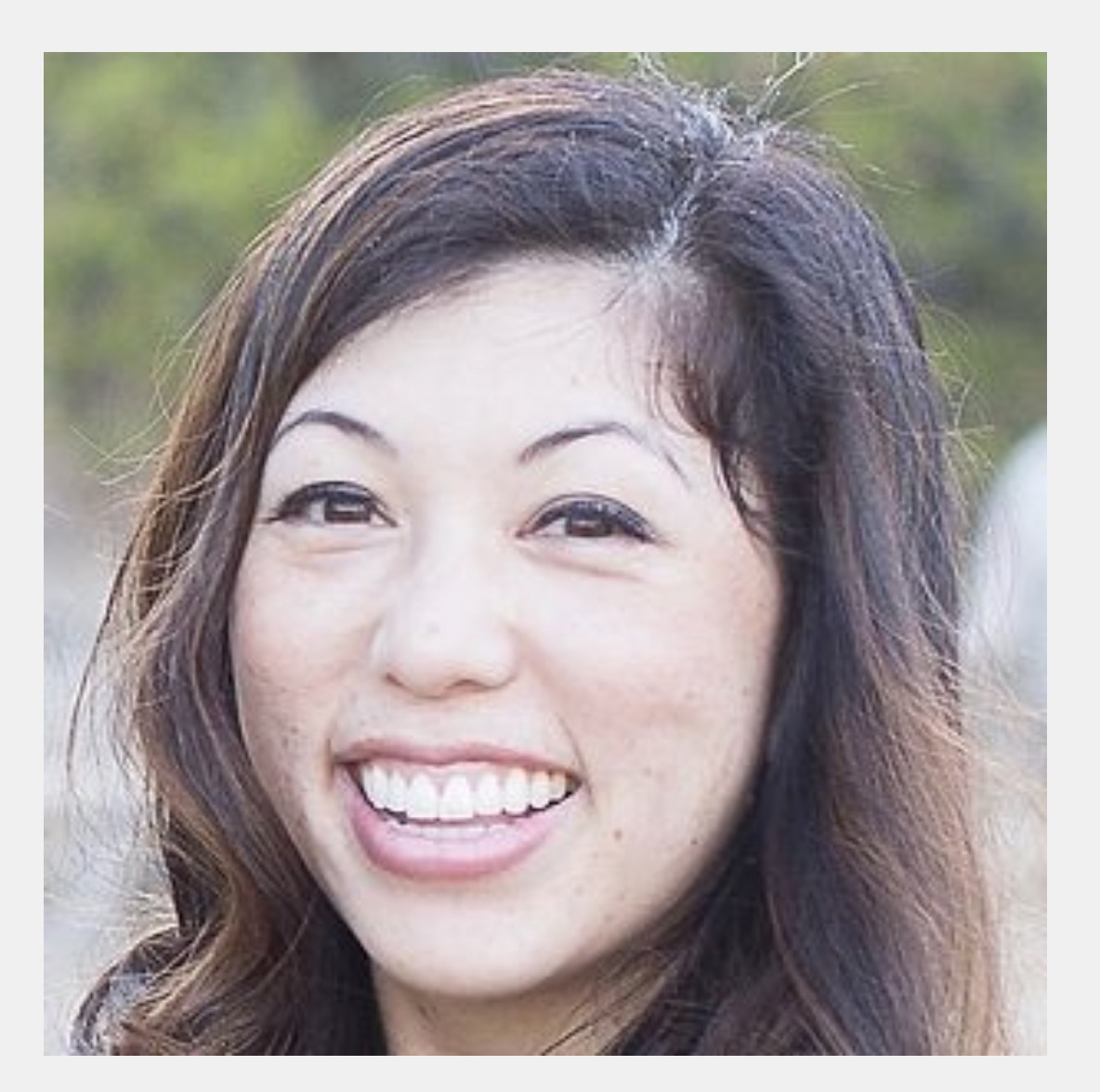
This week on My DPC Story, I sat down with Dr. Sirdar, internal medicine physician, public health expert, and founder of Find Bethesda Doctor, to talk about the leap from hospital medicine to Direct Primary Care, opting out of Medicare to truly care for elderly patients aging in place, building a practice for women in midlife, and what it actually takes to thrive as a physician and as a patient over a lifetime.
Listen to the full episode now on Apple Podcasts, Spotify, or wherever you get your podcasts. Then come back and read the rest.
The Midnight Federal Job Boards
Before Dr. Sirdar was DPC curious, she was something a lot of physicians will recognize: she was scrolling.
Late at night, when everyone else was asleep, she would search the US government job boards. MD plus MPH. Remote possible. How many hours, how many dollars, what city. She told herself she was just looking. But something inside her was already asking the question: is there something else?
If you've done that scroll, you are not alone. And you are not broken. You are paying attention.
The shift, when it comes, often starts with one small act: saying the dream out loud. Dr. Sirdar talked about wanting to do "something" for years. A neighbor and friend showed up to her ribbon cutting recently and said, "Nadia, this has been a long time coming." She had forgotten she'd been telling people for that long. But they hadn't.
Once you start naming what you want, the people who love you become a chorus. The momentum builds. The dream becomes a plan.
If you've been doing the midnight scroll yourself, head to the Start Here page at mydpcstory.com. There's a path for every stage of the journey, whether you're just curious, actively planning, or already opening your doors.
Opting Out of Medicare and the Boogeyman That Wasn't
One of the most quietly courageous decisions Dr. Sirdar made was opting out of Medicare so she could fully care for her elderly patients aging in place. The opt-out comes with a two-year affidavit and the very real reality that you can't pick up shifts at any place that accepts Medicare. For a physician transitioning from hospital medicine, that feels like cutting the safety net entirely.
She built it up in her head as the boogeyman. "I can't do it. I can't do it. It's so crazy that I'm gonna do it. Am I gonna do it? No, I'm not. Yes I am."
Then she did it.
And nothing happened.
The opt-out went through. The world kept turning. The fear had been bigger than the act.
Her elderly patients, the ones being failed by a system where nobody calls them back and nobody knows their name, are now thriving in her practice. They feel heard. They feel safe. They feel like somebody is actually in their corner as they age.
That is what opting out bought her. The freedom to actually serve.
The Surprise: Building for Women, Welcoming the Husbands
Dr. Sirdar built her practice with women in midlife in mind. Perimenopause. Menopause. The full body, full life conversations that fee-for-service medicine has never had time for.
What she didn't expect was that 50% of her practice is now men. Not just any men. The husbands of her female patients, walking in saying, "That's not fair. I want that too."
This is the ripple effect of DPC done right. When you take excellent care of one person in a household, the whole household notices. The whole household wants in. And when households thrive, communities thrive.
She also welcomes elderly patients escaping the Medicare maze who arrive thinking they've signed up for concierge care, only to discover something better: a doctor who actually answers, who actually knows them, and who will walk with them as they age.
If you are a physician building a niche practice and wondering whether the right people will find you, this episode is worth a careful listen. Subscribe to My DPC Story so you don't miss conversations like this one.
Boundaries as Self-Respect
One of the most honest moments in our conversation came when Dr. Sirdar talked about boundaries. She is the first to admit she is still working on them. But she has learned something most of us still struggle to internalize: the best care she can give her patients is the care that comes from a rested, well, present physician.
So she tells new patients during onboarding: "I have three small kids at home and I want to make sure I give you my best. So I do need to sleep through the night."
She used to think that kind of honesty would scare patients away. It hasn't. The right patients hear it as professionalism. The wrong patients self-select out, and that's the system working.
She also models the discovery call as a two-way fit assessment. "Are we a good fit?" isn't gatekeeping. It's the same conversation a healthy relationship requires. If a patient comes in expecting a vending machine for benzodiazepines, or expecting that paying a membership fee means owning her clinical judgment, that's not a partnership. And she has built relationships with other DPC doctors in her area so that when someone isn't a fit, she can send them somewhere that might be.
Everyone deserves a good doctor. It doesn't have to be you.
Multilingual, Multicultural, Deeply Human
Dr. Sirdar speaks English, Spanish, Hindi, and Urdu. Her global public health work in Ethiopia, Zambia, and Zimbabwe through PEPFAR taught her that real health change requires partnership at every level, not just at the top. That lesson lives in her practice every day.
When she sits with a patient, she's not just translating language. She's translating culture. She knows what it means when an Indian or Pakistani auntie nods a certain way. She knows the unspoken weight of women of color who feel guilty investing in themselves. She knows that her grandmother and mother modeled martyrdom as a virtue, and that her job is to gently challenge that pattern in the patients who carry it.
That kind of cultural fluency cannot be replicated by a checkbox. It can only come from a physician with the time and the relationship to actually meet her patients where they live.
The Vendor Trap (and What She Wishes She Knew)
Dr. Sirdar's biggest woulda-coulda-shoulda for newer DPC physicians is direct: do not buy anything from anyone promising to deliver you patients.
She made that mistake. She is open about it. The marketing was confident. The promise was a number. The reality was that she handed over significant money to someone who didn't speak with her voice, and she ended up worse off than if she'd taken her time and built her practice slowly through real relationships.
The math has to math. The ROI has to make sense. And nobody is more invested in your patients finding you than you are.
This is one of those conversations the DPC community needs to keep having out loud, because the predatory patterns that exist in fee-for-service don't disappear just because you've gone independent.
If you're DPC curious or in the planning stages, this is the episode to share with the friend who is one bad vendor pitch away from regret.
Thriving in Place: For Patients and for Physicians
Near the end of our conversation, Dr. Sirdar shared what she teaches her patients about thriving past 70: functional strength, real food, and aging in place. Can you carry your own groceries at 75? Can you climb your own stairs at 80? Are you connected to humans outside your family? These are the questions that determine outcomes.
But here's what struck me. The same framework applies to physicians.
Functional strength: do you have the capacity, energy, and skills to keep practicing the medicine you love? Real food: are you nourishing yourself, your relationships, your community, your purpose? Aging in place: can you stay in your own practice, your own decisions, your own life, for the long haul?
DPC is the model that lets us answer yes to all three.
What You Can Do This Week
Three concrete next steps:
1. Start saying it out loud. If you have a dream of opening your own practice, joining a DPC, or shifting models, tell one person this week. The momentum builds faster than you think.
2. Take Dr. Sirdar's discovery call mindset to heart. Whether you're a patient looking for a doctor or a physician looking for a fit, the right conversations open with: what do you actually want from this relationship?
3. Share this episode with one colleague. Especially the hospitalist scrolling job boards at midnight. They need to hear that the door is real and that other physicians are already walking through it.
The Bigger Picture
Every conversation like this one reminds me why I started My DPC Story. Direct Primary Care is not a fringe experiment. It is the early architecture of a better system. And the physicians building it, like Dr. Sirdar, are showing all of us what it looks like to leave the passenger seat and finally take the wheel.
If you're new to DPC, head to the Start Here page at mydpcstory.com.
If you have a question or challenge you want addressed on the show, leave a voice message on the contact page at mydpcstory.com.
If you want commercial-free episodes and extended conversations, our Patreon has both a free tier and a paid tier, and both help keep this show going.
And if this post resonated, leave a five-star review on Apple Podcasts. It is one of the simplest, most powerful things you can do to help other physicians find these stories when they need them most.
My DPC Story is created and hosted by Dr. Maryal Concepcion, family physician and founder of Big Trees MD in Arnold, California. With deep gratitude to Chief Growth Officer Kiera Hanselman, Head of Marketing and Strategy Nathalia Hyland, and Chief Operational Officer Alexandra Gobble. We are all in your corner.
WATCH HERE:
LISTEN HERE:
Frequently Asked Questions
Why did Dr. Nadia Sirdar leave hospital medicine?
Dr. Nadia Sirdar left after nearly a decade as a hospitalist because she felt she was performing end-of-life conversations and chasing length-of-stay metrics on a script rather than actually connecting with patients, and she was coming home too empty to be present for her kids.
Why did Dr. Nadia Sirdar opt out of Medicare?
Dr. Nadia Sirdar opted out of Medicare, which required a two-year affidavit and meant she could no longer pick up shifts anywhere that accepts Medicare, so she could fully care for her elderly patients who are aging in place without Medicare's constraints.
Why do half of Dr. Nadia Sirdar's patients end up being men?
Dr. Nadia Sirdar built her practice for women in midlife going through perimenopause and menopause, but fifty percent of her practice turned out to be men, the husbands of her female patients who saw the care their wives were getting and said that is not fair, I want that too.
What mistake does Dr. Nadia Sirdar warn other DPC physicians about?
Dr. Nadia Sirdar warns new Direct Primary Care physicians not to buy patient-acquisition services from vendors who promise a specific number of patients, since she paid significant money to a company whose marketing did not speak with her voice and ended up worse off than if she had grown slowly through real relationships.
How does Dr. Nadia Sirdar set boundaries with her patients?
Dr. Nadia Sirdar tells new patients during onboarding that she has three small kids at home and needs to sleep through the night, a boundary she says the right patients hear as professionalism while the wrong patients self-select out.
More From My DPC Story
Caring Directly: caringdirectly.com
Find a DPC practice at The DPC Directory: thedpcdirectory.com
DPC mood in a cup, Chief Complaint Coffee: chiefcomplaintcoffee.com
Free DPC startup checklist, the Physician Owner's Planner and the DPC Toolkit Magazine: mydpcstory.com
Have a question, a challenge, or a win to share? Leave me a voicemail at mydpcstory.com/contact and you might hear it featured in a future episode.


Comments